Contents (8 sections)
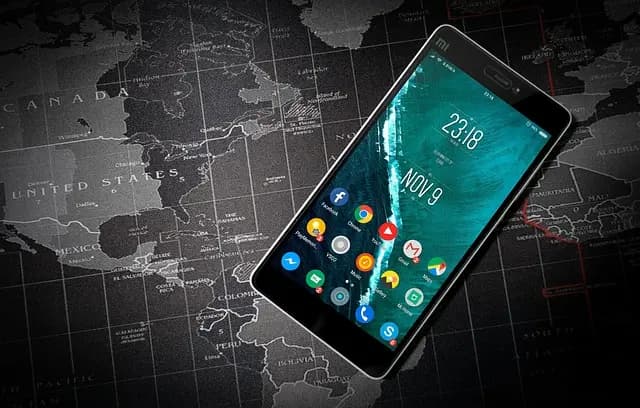
Geocaching is an outdoor recreational activity that combines the allure of a treasure hunt with modern technology. Participants use GPS devices or smartphone apps to hide and seek containers, called "geocaches," at specific locations marked by coordinates worldwide. The essence of geocaching lies in its community-driven nature, fostering a sense of adventure and global connection. With more than three million active geocaches, each offering a unique story or challenge, it's a perfect blend of exploration and community engagement.
How to Start Geocaching
To embark on your geocaching journey, begin by downloading a geocaching app, such as Geocaching® by Groundspeak Inc., available on iOS and Android. Create an account to access a map showcasing available geocaches in your area. Select a geocache based on its difficulty level and terrain, then navigate to its location using GPS coordinates. Once found, sign the logbook within, exchange trinkets if desired, and document your adventure in the app.
Benefits and Challenges of Geocaching
Geocaching offers numerous benefits, from encouraging exercise and outdoor exploration to promoting problem-solving and teamwork. However, it also presents challenges like ensuring accurate navigation and maintaining the integrity of geocache sites. The diverse difficulty levels and terrains ensure that newcomers and seasoned adventurers alike can find suitable caches, balancing thrill with practicality.
| Feature | Beginner Level | Intermediate Level | Expert Level | Verdict |
|---|---|---|---|---|
| Difficulty | Easy | Moderate | Challenging | Choose based on experience |
| Terrain | Paths/Trails | Mixed | Off-road | Engages various skill levels |
| Equipment | Smartphone | GPS device | Advanced gear | Varies by cache complexity |
| Rewards | Simple finds | Unique prizes | Rare collectibles | Rewards satisfaction |
📺 Resource Video
> 📺 For further exploration: [Geocaching 2026: Beginner's Guide], a comprehensive analysis of geocaching basics. Search on YouTube: "geocaching 2026 guide".
- What is the main goal of geocaching?
The primary aim is to locate hidden geocaches using GPS coordinates, embracing adventure and exploration.
- Is geocaching safe for children?
Yes, geocaching is family-friendly. Always ensure children are supervised and choose caches appropriate for their skill level.
- Do I need special equipment for geocaching?
While smartphones suffice for most, serious geocachers use dedicated GPS devices for advanced caches.
- Can I create my own geocache?
Absolutely! Follow geocaching guidelines to ensure your cache is fun, safe, and compliant with local laws.
Glossary
| Term | Definition |
|---|---|
| Geocache | A hidden container found via GPS coordinates. |
| Waypoint | A reference point that aids navigation in geocaching. |
| Trackable | An item within a geocache meant to be moved and logged by geocachers. |
Checklist Before Geocaching
- [ ] Choose a geocache based on difficulty and terrain
- [ ] Verify your GPS or smartphone app is operational
- [ ] Pack essentials: water, snacks, pen
- [ ] Respect nature and local guidelines
- [ ] Share your finds responsibly online
💡 Expert Opinion: According to Lisa Grossman, a geocaching expert, "Geocaching is more than a hobby—it's a way to connect communities and landscapes around the world." This sentiment captures the heart of the adventure, ensuring its continued growth and enjoyment.
🧠 Quiz rapide: What is a "Trackable" in geocaching?
- A) A type of geocache
- B) An item to be moved and logged
- C) A GPS feature
Réponse : B — It is an item meant to be moved from cache to cache.