Contents (11 sections)
Understanding the Basics
When embarking on any travel adventure, understanding the basics of travel photography is essential. Travel photography isn't just about capturing beautiful landscapes; it's about telling a story and sharing experiences. This genre combines portrait, landscape, street, and architectural photography. Understanding the differences between these can help you decide which aspect to focus on during your travels.
Travel photography encapsulates the essence of a place — the people, culture, and environment. Knowing what matters to you most, be it vibrant street life or serene landscapes, defines your photography style. Despite the destination, some skills are universally critical: framing, timing, and storytelling. Knowing your narrative focus, whether cultural or architectural, sets the stage for the kinds of photos you'll capture.
Choosing the Right Equipment
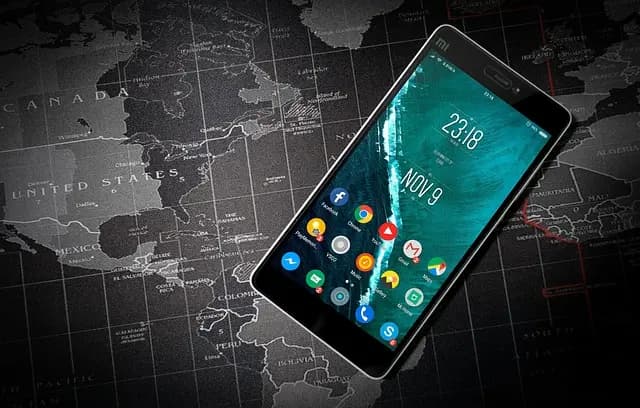
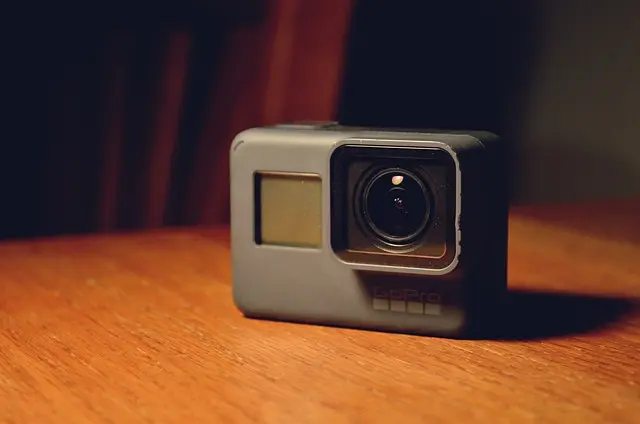
Investing in the right equipment can dramatically enhance your travel photography outcomes. While DSLRs and mirrorless cameras are popular choices due to their versatility and image quality, smartphones equipped with advanced cameras can also suffice for many travelers. Consider must-have accessories such as lens kits for smartphones, tripods, and external flashes.
When selecting equipment, portability is key. Lightweight gear ensures you're more likely to take it with you everywhere. For instance, a compact camera with a zoom lens might be more beneficial than lugging multiple lenses around. Always opt for equipment that suits the type of photography you want to focus on — a wide-angle lens for landscapes or a prime lens for portraits.
Mastering Composition Techniques
Composition can make or break a photograph. There are several techniques to enhance your shots, starting with the "rule of thirds" — placing your subject on the grid lines to create more balance and interest. Another tip involves leading lines, which draw the viewer's eye toward the main subject, creating a more immersive experience.
Don't overlook the importance of unique perspectives. Changing your viewpoint, such as shooting from a low angle or bird's-eye view, can offer fresh dynamics. Understanding how to use space around your subject also matters; negative space can amplify the subject's presence, making your images more powerful.
Making the Most of Lighting
Lighting is pivotal in travel photography. The best natural lighting occurs during the golden hours — just after sunrise and before sunset. Golden hour lighting provides soft, diffused light that adds warmth and dimension to images, enhancing their storytelling quality.
However, travel doesn't always adhere to ideal conditions. Overcome lighting challenges by understanding your camera settings. Adjusting ISO, shutter speed, and aperture can help you take photos even with harsh midday light or dimly-lit environments. A professional tip is to use a reflector or white surface to bounce light and fill shadows when shooting portraits.
Editing for Perfection
Post-processing is crucial in digital photography to refine and perfect your images. Tools such as Adobe Lightroom and Photoshop offer extensive functionality for enhancing colors, adjusting exposure, and cropping your travel photos to their best potential.
Keep edits subtle to maintain the essence of the original scene. Over-editing can often lead to an artificial look, detracting from the authenticity of your experience. Always back up your original files to revert to them if needed.
📺 Video Resource
📺 For further exploration: “Master Travel Photography Techniques,” a comprehensive guide on enhancing travel photography through gear selection, composition, and lighting mastery. Find it on YouTube: "travel photography techniques 2026"
Q: How do I choose the right gear for travel photography?
A: Consider the nature of your trip and photography interest; prioritize portability and functionality.
Q: What is the best time of day to take travel photos?
A: The golden hours, around sunrise and sunset, provide the most photogenic light.
Q: How can I improve my photo composition skills?
A: Practice using techniques like the rule of thirds and experimenting with different perspectives.
Q: Do I need to edit all my travel photos?
A: Not all, but editing can enhance natural beauty. Keep edits subtle to preserve authenticity.
Glossary
| Term | Definition |
|---|---|
| DSLR | A digital camera with reflex mirrors for interchangeable lenses. |
| Mirrorless | A camera without a reflex mirror, relying on digital displays instead. |
| Golden Hour | The time shortly after sunrise or before sunset when light is softer and warmer. |
🧠 Quick Quiz
> 🧠 Quick Quiz: What's the best practice to improve photo composition?
> - A) Use a telephoto lens exclusively
> - B) Follow the rule of thirds
> - C) Only shoot during midday
> Answer: B — Using the rule of thirds can significantly enhance photo composition.