Contents (10 sections)
Water sports offer a fantastic way to experience the great outdoors and stay fit. Water sports beginners, however, may feel overwhelmed by the options and equipment involved. In this tutorial, we'll guide you through everything you need to know to get started.
1. Understanding the Basics
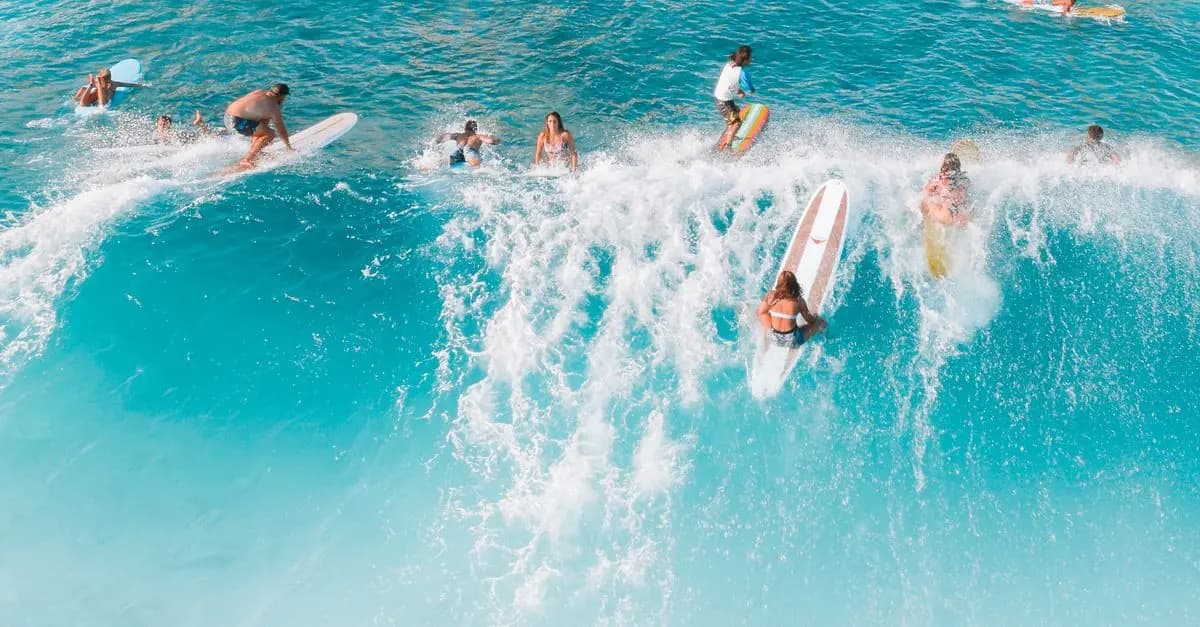
Before diving in, it's crucial to understand what water sports entail. Activities can range from relaxing kayaking trips to more adrenaline-pumping options like surfing. Each offers unique benefits, like improved cardiovascular health and increased strength. Starting simple helps build confidence and skills progressively.
💡 Expert Tip: Start with sports that match your existing fitness level and progressively increase the difficulty.
2. Choosing Your First Water Sport
Among the myriad of water sports, beginners often gravitate towards the more straightforward options like snorkelling or paddleboarding. Consider factors such as your location, available resources, and personal interest. Paddleboarding is great for building core strength, while snorkeling introduces you to underwater wonders without needing extensive training.
Common Mistake to Avoid: Don’t purchase expensive equipment upfront; many places offer rental gear to try before you buy.
3. Essential Gear and Safety
Safety is paramount in water sports. Beginners need to invest in quality gear—like life jackets, helmets, and wetsuits—to ensure protection. According to UFC-Que Choisir, proper gear dramatically reduces the risk of injury.
Also, consider attending safety courses available locally or online to learn how to handle emergencies effectively. Equip yourself with knowledge and gear to enjoy a safe experience.
📺 For an in-depth look, search YouTube for "water sports safety tips for beginners."
4. Finding Local Opportunities
Local recreation centres often offer programs for beginners. Beaches and lakes commonly host group classes, making it a social event. In fact, the INSEE indicates that participating in community activities enhances commitment and learning outcomes.
💡 Expert Tip: Engage with local clubs through social media channels to remain updated on events and beginner-friendly meetups.
5. Building Skills and Confidence
Progress in water sports often means learning specific techniques. Focus on mastering basic skills before challenging yourself with advanced maneuvers. Consistency and practice are key.
Joining a local club or community might facilitate this process. Learning from others accelerates progress and provides motivation.
6. Comparing Popular Water Sports
Here's a quick comparison of some popular water sports options for beginners:
| Sport | Accessibility | Equipment Needed | Ease for Beginners | Fitness Benefit |
|---|---|---|---|---|
| Snorkelling | High | Minimal | Very Easy | Moderate |
| Paddleboarding | Moderate | Board, paddle | Easy | High |
| Kayaking | High | Kayak, paddle | Moderate | High |
| Surfing | Moderate | Board, leash | Challenging | High risk-high reward |
Stay informed about your chosen sport by reading magazines, joining forums, and watching instructional videos. Staying updated on trends and techniques enhances your experience.
📺 Recommended Video: Search "beginner tips for water sports" on YouTube for a visual guide.
8. Checklist for Beginners
- [ ] Choose an accessible and beginner-friendly water sport
- [ ] Get comfortable with basic safety equipment
- [ ] Rent equipment before investing
- [ ] Research local classes or clubs
- [ ] Practice consistently and stay patient
Glossary
| Term | Definition |
|---|---|
| Paddleboarding | A sport where participants stand on a large board and use a paddle to propel themselves. |
| Snorkelling | Swimming with a snorkel, mask, and sometimes fins to view underwater life. |
| Wetsuit | A garment, usually made of neoprene, worn to keep warm in water-based activities. |