Contents (18 sections)
Introduction
Finding time to unwind after a long day at work is crucial for maintaining balance and wellbeing. Engaging in relaxing hobbies after work can markedly improve mental health, while providing a satisfying and enriching experience.
The Importance of Relaxation
Relaxation provides more than just temporary relief from stress; it can enhance creativity, boost productivity, and improve overall health. According to the NHS, regular relaxation can reduce anxiety and depression symptoms by as much as 50%. Moreover, indulging in the right hobby can lead to a more fulfilled and balanced life, helping to disconnect from work stresses and rejuvenate your mind.
Hobbies for Stress Relief
1. Gardening
Gardening is a peaceful way to connect with nature while also engaging in mild physical activity. Not only does it foster patience and mindfulness, but studies show it can lower levels of the stress hormone cortisol. Cultivating your garden, whether on a window sill or in a backyard, allows you to enjoy the fruits (and vegetables) of your labour, contributing to healthier eating habits as well.
2. Reading
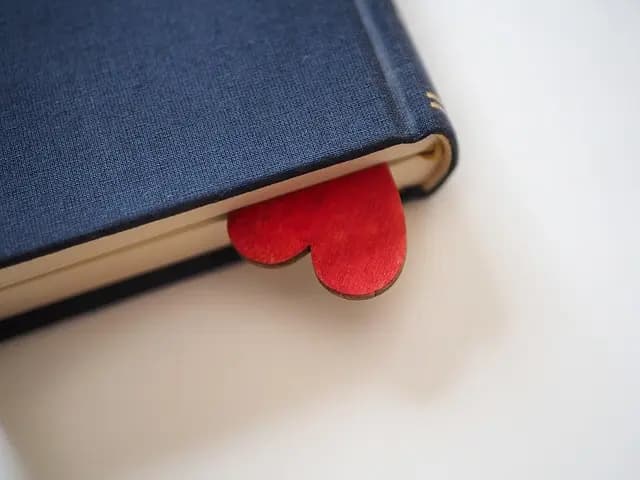
Diving into a good book can transport you to another world, providing an escape from daily stress. According to a study by the University of Sussex, just 6 minutes of reading can reduce stress levels by up to 68%. Whether it's fiction, non-fiction, or poetry, choose a genre that inspires and relaxes you.
3. Yoga
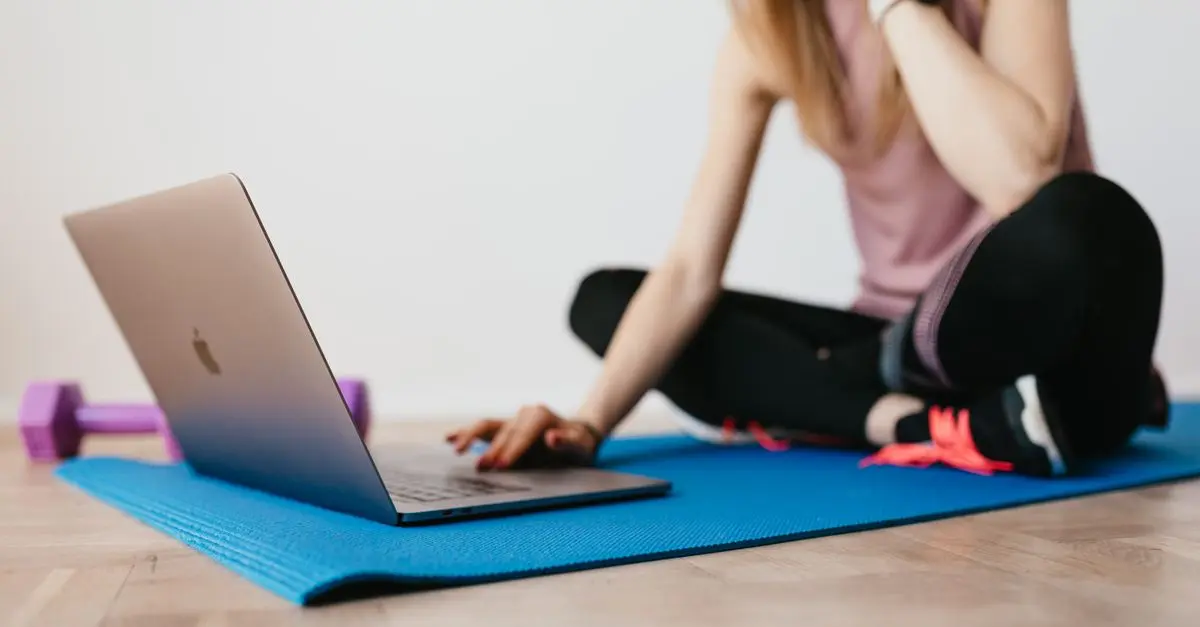
Yoga combines physical postures with deep breathing exercises, promoting both physical and mental relaxation. Regular practice can improve posture, flexibility, and concentration, while also lowering stress. Join a class or follow an online tutorial to integrate yoga into your routine efficiently.
4. Painting
Expressing yourself through art can be incredibly therapeutic. Painting allows for creative self-expression and helps redirect focus away from stressors. Whether using watercolours, oils, or digital media, creating art can improve mental health by increasing dopamine levels and enhancing mood.
5. Baking
Baking not only fills your home with delightful aromas but also acts as a stress-relieving outlet. Measuring ingredients, mixing, and decorating can be a mindful practice, promoting mental calmness. The end result is both a sensory and gustatory reward that you can share with friends and family.
6. Journaling
Writing about your day, emotions, or dreams can lead to greater self-awareness and stress relief. Journaling provides an outlet to process thoughts and feelings, helping to clarify goals and reduce negative emotions. Consistency is key—try to journal daily for the best results.
7. Walking
Perhaps one of the simplest forms of exercise, walking can be highly effective for reducing stress. Whether through a bustling city or a peaceful countryside, a 30-minute walk can stimulate endorphin production, improve mood, and reduce fatigue, paving the way for a clearer and more focused mind.
8. Playing a Musical Instrument
Learning and playing music can be a highly rewarding and relaxing activity. Music has the power to alter emotions, and playing an instrument can sharpen focus and enhance coordination. Whether it's strumming a guitar or playing the piano, music practice encourages mindfulness and distracts from stressors.
📺 Resource Video
> 📺 For further insight: Relaxation Techniques You Can Try Today, explore comprehensive analyses on stress-relieving techniques. Search YouTube: "relaxation techniques stress relief tutorial".
Conclusion
Incorporating one or a combination of these relaxing hobbies after work can dramatically improve your everyday stress levels and enhance overall wellbeing. The key is to find activities that genuinely captivate you and seamlessly integrate into your lifestyle.
- What is the most relaxing hobby?
This varies from person to person. However, activities like gardening, yoga, and reading are widely regarded for their relaxation benefits.
- How can I find time for hobbies after work?
Prioritising time management and setting aside dedicated leisure time in your schedule can ensure you integrate hobbies into your routine effectively.
- Are there any free hobbies for stress relief?
Yes, many hobbies such as walking, reading, and journaling require little to no financial investment.
- How can hobbies improve my mental health?
Engaging in hobbies can reduce stress hormones, boost mood-enhancing chemicals like endorphins, and provide a sense of accomplishment.
Glossary
| Term | Definition |
|---|---|
| Cortisol | A stress hormone that can be lowered through relaxation and hobbies |
| Dopamine | A neurotransmitter associated with pleasure and reward in the brain |
| Endorphins | Chemicals in the brain that help relieve pain and induce feelings of pleasure |
Checklist
- [ ] Identify a hobby of interest
- [ ] Allocate 30 minutes daily to practice
- [ ] Gather necessary materials or resources
- [ ] Monitor stress levels before and after
- [ ] Share experiences with friends or community
Additional Elements
🧠 Quiz rapide : Which hobby is shown to reduce stress the most according to studies?
- A) Gardening
- B) Reading
- C) Walking
Réponse : B — Reading has been shown to reduce stress by up to 68%.