Contents (13 sections)
Understanding Scuba Diving Locations
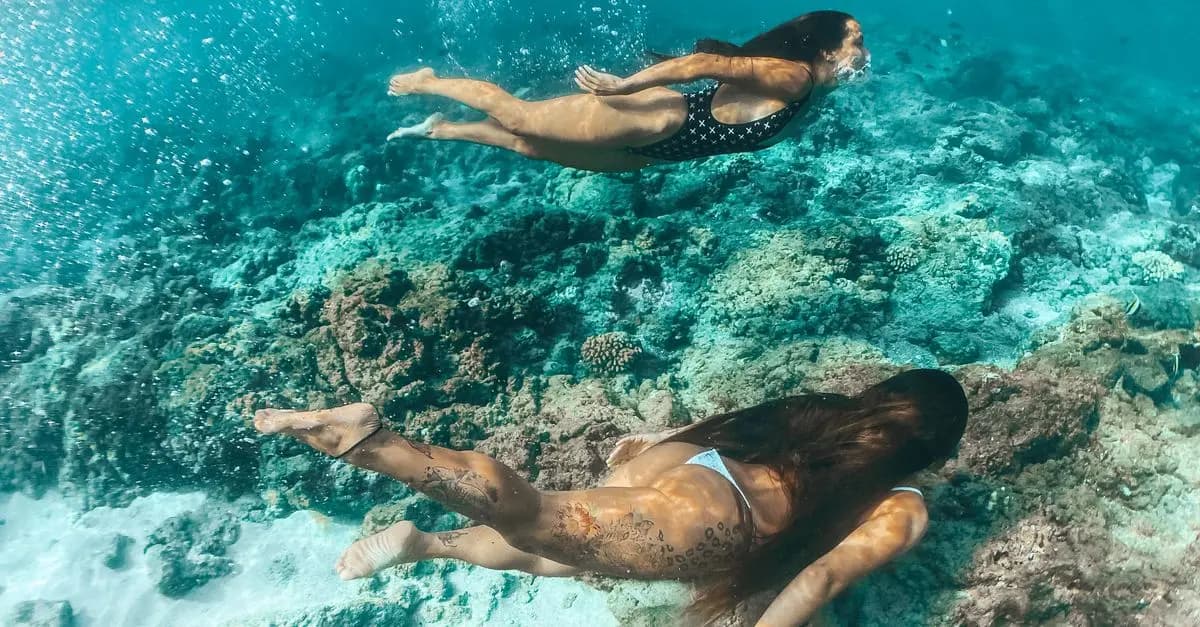
Scuba diving is a popular activity that allows individuals to explore underwater environments. Scuba diving locations vary significantly, offering unique experiences based on local ecosystems. The Great Barrier Reef in Australia, for instance, is renowned for its vast coral formations, while the Galápagos Islands are famous for their diverse marine life. Diving locations are often selected based on water visibility, biodiversity, and accessibility. Understanding these elements is crucial for divers seeking the most rewarding experiences.
Top Scuba Diving Locations
The Great Barrier Reef
This natural wonder is one of the most famous scuba diving destinations globally. Stretching over 2,300 kilometres, it holds thousands of species of marine life. Divers here can explore underwater gardens and meet creatures like manta rays and sea turtles.
Galápagos Islands
Diving around the Galápagos offers the chance to see species found nowhere else on Earth. Hammerhead sharks and marine iguanas are some of the unique creatures encountered here. These islands are perfect for adventurous divers seeking something different.
The Red Sea
Famous for its vibrant reefs and abundant marine life, the Red Sea offers spectacular diving opportunities. Sites like Ras Mohammed and The Blue Hole attract divers with their stunning underwater landscapes.
How to Plan Your Dive
Planning is crucial for a successful diving trip. Start by choosing a destination that matches your skill level. Ensure you have the appropriate gear and consider hiring a local guide to enhance your experience. Season and weather can significantly affect conditions, so research and plan accordingly. Consider using resources like PADI or SSI to locate certified dive operators.
Comparing Diving Spots
| Criteria | Great Barrier Reef | Galápagos Islands | Red Sea | Verdict |
|---|---|---|---|---|
| Biodiversity | High | Unique species | High | Great for biodiversity seekers |
| Visibility | Excellent | Good | Excellent | Best months provide great views |
| Accessibility | Easy | Requires travel planning | Easy | Ideal for organised tours |
| Marine Encounters | Turtles, rays | Sharks, iguanas | Vibrant corals, plenty of fish | Choose based on marine preferences |
Dive Statistics and Trends
According to DAN Europe, scuba diving continues to grow in popularity, with millions taking the plunge each year. Current trends show a rise in eco-conscious diving, where divers aim to minimise their environmental impact. Courses focusing on reef conservation are becoming popular, with organisations like Project AWARE leading the way.
- What is the best time to dive in the Red Sea?
The Red Sea offers excellent diving conditions year-round, but October to May are particularly favourable months.
- Are beginners welcome in the Galápagos?
While the Galápagos offer advanced diving sites, many operators provide options for beginners, ensuring they experience the unique wildlife safely.
- How does climate change affect scuba diving spots?
Climate change impacts dive sites through rising sea temperatures and coral bleaching, threatening biodiversity.
- Can I dive without prior certification?
Many locations offer beginner courses, but it's essential to get proper certification, such as PADI Open Water, for safety.
📺 Resource Video
> 📺 For an in-depth look: Planning Your First Scuba Diving Adventure, explore insights on scuba diving preparation. Search YouTube: "how to plan a scuba diving trip"
Glossary
| Term | Definition |
|---|---|
| Biodiversity | The variety of plant and animal life in a particular habitat. |
| Visibility | How clear the water is, affecting how far divers can see underwater. |
| Marine Encounters | Interactions or sightings of specific marine life during a dive. |
Checklist Before Diving
- [ ] Verify your diving certification.
- [ ] Research weather conditions.
- [ ] Test your diving equipment.
- [ ] Plan your dive with a buddy.
- [ ] Review safety protocols and emergency procedures.
💡 Expert Opinion:
> Dr. Marine Collins, marine biologist: Diving is not just a sport but a chance to discover the complexities of marine ecosystems. Choose your locations wisely to make the most of your underwater explorations.
🧠 Quick Quiz:
> What should you check before a dive?
> - A) Air quality
> - B) Water temperature
> - C) Gear condition
> Answer: C — Always ensure your gear is in proper working order before diving.