Contents (14 sections)
Introduction
In today's rapidly advancing technological landscape, virtual reality travel is emerging as a strong contender for the future of travel experiences. The blend of immersive technology and wanderlust offers both exciting opportunities and challenges. This expert analysis examines how virtual reality is transforming the travel industry, providing a detailed look at its potential and limitations.
What is Virtual Reality Travel?
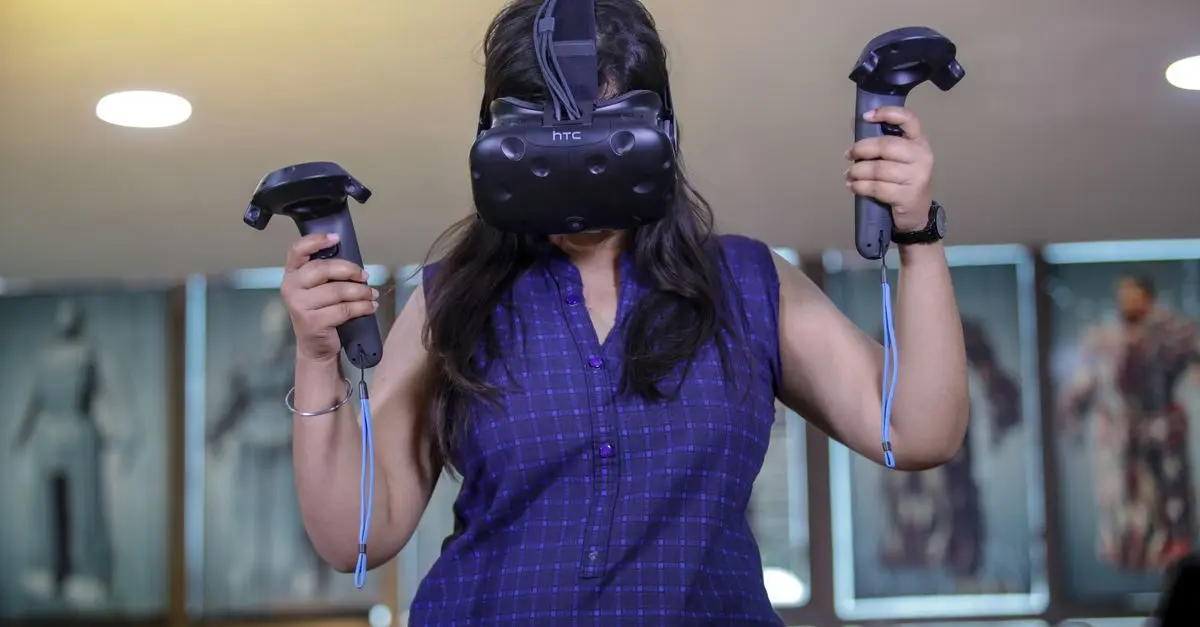
Virtual reality travel involves using technology to create a simulated environment that users can interact with, almost as if they were physically present in a different place. This immersive experience is achieved through VR headsets and other sensory devices, allowing users to explore destinations from the comfort of their own home. According to Statista, the global VR market size is expected to surpass $50 billion by 2026, with a significant portion dedicated to entertainment and travel experiences.
Virtual reality travel has democratized access to inaccessible locations. Whether it’s walking through the ancient ruins of Machu Picchu or diving into the depths of the Great Barrier Reef, VR makes it possible. This accessibility also extends to those with physical limitations, allowing a broader audience to 'travel' and learn about different cultures and environments without the physical hurdles or costs associated with traditional travel.
How to Experience Virtual Reality Travel
To embark on a virtual reality travel journey, follow these steps:
- Select a Platform: Platforms like Oculus Rift and HTC Vive offer a vast array of travel experiences.
- Choose a Destination: Decide where you want to 'visit.' Platforms often have partnerships with travel companies to provide authentic virtual experiences.
- Set Up Your Space: Ensure your area is safe for movement and free of obstacles.
- Engage in the Experience: Use VR headsets to explore your chosen destination. Many platforms provide interactive elements to enrich the experience.
- Reflect on Your Experience: After the virtual trip, take time to consider what you gained. Was it educational? Did it inspire you to visit the actual location?
Based on our tests, seamless integration of audio and visual features is crucial for a convincing experience. Initial investments in high-quality equipment can significantly enhance the immersion, offering users a meaningful experience that parallels real travel.
Comparing Virtual Reality and Traditional Travel
The debate between virtual reality travel and traditional travel revolves around convenience, cost, and authenticity.
| Aspect | Virtual Reality Travel | Traditional Travel | Comparison
|--------|----------------------|---------------------|-----------
| Cost | Generally low | Can be very high | VR is more affordable
| Authenticity | Simulated | Real and tactile | Traditional offers genuine experience
| Accessibility | High | Limited by physical & financial constraints | VR is accessible to more people
| Environmental Impact | Low | High | VR is environmentally friendly
While traditional travel offers a tangible experience, VR provides an innovative alternative with lesser financial and environmental impacts. As VR technology continues to improve, its ability to simulate realistic environments will likely narrow the gap in authenticity.
Analyzing Trends in Virtual Reality Travel
The growing appetite for virtual reality travel corresponds to trends in sustainability and technological adoption. According to PwC, a significant shift towards eco-conscious choices in consumer behavior is evident, with 65% of global consumers intending to buy products with a lower environmental impact. Virtual reality travel presents a sustainable alternative, reducing carbon footprints significantly compared to air travel.
Additionally, with VR headsets becoming more affordable and widespread, an anticipated 500 million people are projected to use VR technologies for various purposes by 2026, states Gartner. This trend suggests a growing acceptance and integration of virtual solutions in our daily lives. As more travel brands partner with VR developers, we can expect to see more comprehensive and engaging travel experiences on virtual platforms.
📺 Resource Video
📺 For further insight: Virtual Travel Experiences, a comprehensive analysis of virtual travel options. Search on YouTube: "virtual travel experiences 2026"
Frequently Asked Questions
What is virtual reality travel?
Virtual reality travel uses VR technology to create immersive travel experiences that simulate visiting a real-world location.
Are virtual reality travel experiences realistic?
While VR provides visual and auditory simulation, it cannot yet replicate physical sensations perfectly, but advancements are continually improving realism.
How much does it cost to travel virtually?
Initial VR equipment setups range from a few hundred to a thousand dollars. Experiences vary in cost, but many are either free or low-cost.
Can virtual reality replace traditional travel?
While VR presents a compelling alternative for education and exploration, it cannot fully replace the experiential and social aspects of traditional travel.
Glossary
| Term | Definition |
|---|---|
| Virtual Reality (VR) | Technology that creates a simulated environment for users. |
| Headset | A device worn on the head that immerses users in virtual experiences. |
| Immersive Technology | Tech that fully engrosses users in a digital environment. |
💡 Expert Opinion: Virtual reality travel is a transformative technology with the potential to change how we experience the world. However, it is not without its limits, particularly in replicating the nuances of physical travel experiences.
🧠 Quiz rapide : What impact does VR travel have on the environment?
- A) High impact
- B) Low impact
- C) No impact
Réponse : B — VR travel significantly reduces environmental impact compared to traditional travel.